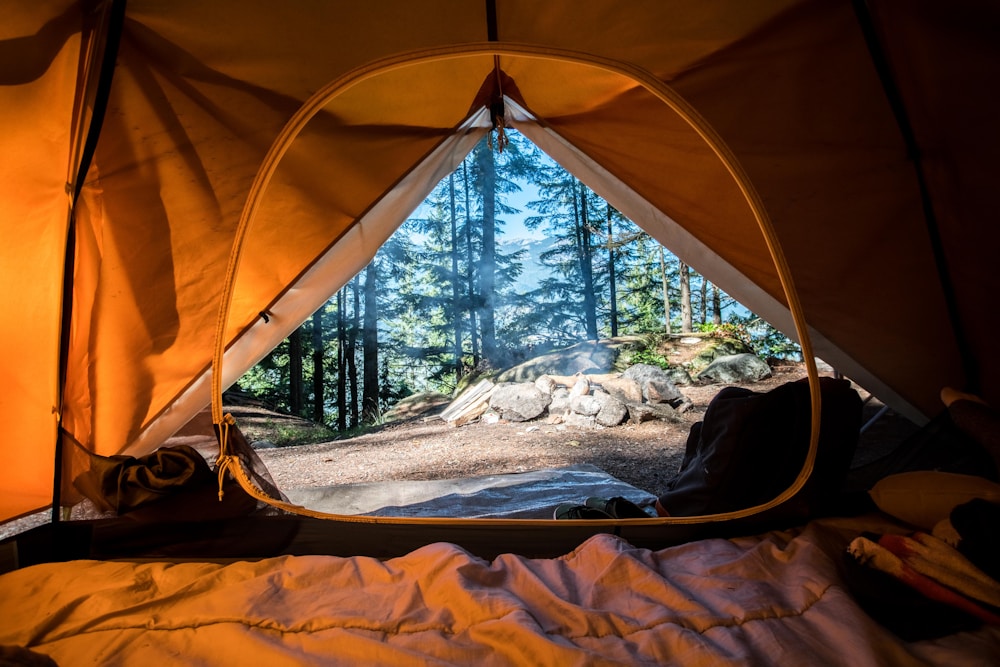
The camping gear landscape in 2026 has evolved dramatically, with manufacturers pushing the boundaries of weight, durability, and smart technology. Whether you're a weekend car camper or a thru-hiker covering thousands of miles, this year's gear lineup offers something for everyone. We've spent months testing and reviewing the latest equipment to bring you the definitive guide to the best camping gear available today.
Shelter Systems: Tents That Redefine Lightweight
The tent market has seen remarkable innovation, with several manufacturers introducing shelter systems that weigh under two pounds while still providing genuine weather protection. The new generation of DCF (Dyneema Composite Fabric) tents has become more accessible price-wise, though they still represent a significant investment. For those seeking traditional materials, silnylon and silpoly tents have benefited from improved fabric treatments that enhance water repellency and reduce stretch when wet.
Backpacking tents in the two-person category now commonly feature interior volumes that rival cabin tents from a decade ago, with clever pole geometry maximizing headroom without adding weight. Freestanding designs continue to dominate the market, but non-freestanding options have gained popularity among ultralight enthusiasts willing to trade a bit of convenience for substantial weight savings.
Top Tent Picks for 2026
- Ultralight Champion: Sub-2lb true four-season shelters for serious backpackers
- Best Value: Feature-rich tents under $300 that don't compromise on quality
- Family Favorite: Roomy cabin tents with quick-setup systems
- All-Season Expert: Robust four-season options with exceptional wind resistance
Sleeping Systems: Beyond the Traditional Sleeping Bag
Sleeping bag technology has evolved beyond simple temperature ratings. The introduction of ethical, high-loft RDS-certified down combined with advanced shell fabrics has created sleeping bags that pack smaller and last longer than ever before. Synthetic insulation continues to improve, with new fiber structures rivaling down in compressibility while offering better performance when wet.
Sleeping pads have perhaps seen the most innovation, with vertical side rails becoming common on premium pads to prevent you from rolling off during the night. R-values have stabilized in the 4-6 range for three-season use, while dedicated winter pads regularly exceed R-7. The weight-to-warmth ratio continues to improve, with some pads now weighing under a pound for a full-length R-4 rating.
"A quality sleeping pad often matters more than your sleeping bag. Invest in both, but don't skimp on what's between you and the ground."
Cooking Systems: Fuel Efficiency Meets Convenience
Camp cooking has become increasingly sophisticated, with integrated systems that crack the code on weight, efficiency, and packability. Canister stoves continue to dominate car camping and casual backpacking due to their convenience and increasingly refined burner designs that perform well in wind and cold. Liquid fuel stoves remain popular for international travel and cold-weather expeditions where canister fuel becomes unreliable.
Wood-burning camp stoves have gained significant traction, with several manufacturers offering ultra-compact designs that burn small sticks and twigs efficiently. These stoves eliminate the need to carry fuel entirely, though they require more attention and practice to use effectively. Jet boil-style integrated systems remain popular for those prioritizing speed and convenience over fuel flexibility.
Lighting: LEDs Have Won
Battery-powered LED lighting has essentially replaced all other camping light technologies. The efficiency gains have been staggering, with some headlamps now capable of 150+ hours of runtime on a single set of batteries. Light output measured in lumens has climbed dramatically while weight has dropped. USB-rechargeable designs have become the default, eliminating the need to carry spare batteries for most trips.
lantern-style lights have evolved significantly, with collapsible fabric designs that pack incredibly small but inflate to provide ambient lighting for cooking and socializing. Some models now incorporate phone charging capability, solar charging, and even Bluetooth speakers for those who want entertainment alongside their illumination.
Water Treatment: Safety Meets Speed
Water treatment options have diversified significantly, with something for every preference and trip type. UV purifiers have become incredibly compact and affordable, offering 60-second purification without chemicals or filter changes. Squeeze filters continue to evolve, with new fiber technologies extending filter life and improving flow rates. Chemical treatment remains the lightest option for ultralight backpackers covering water-rich terrain.
Navigation and Communication
GPS technology has matured, with smartphone apps now capable of matching dedicated handheld devices for most recreational uses. Screen readability in direct sunlight has improved dramatically, and battery optimization features allow all-day navigation on a single charge. PLBs (Personal Locator Beacons) have become standard safety gear for many backcountry travelers, offering peace of mind through reliable emergency communication.
⚡ Related Tool
Use our Tent Footprint Calculator to find the perfect matching footprint for your new tent.
Making Your Choices
When selecting gear, consider your specific needs honestly. A thru-hiker prioritizing sub-10lb base weight has vastly different requirements than a family car camping for the weekend. Quality gear represents an investment, but it doesn't always require premium prices. Many manufacturers offer "everyday" versions of their flagship products that share core designs at lower price points.
The best gear is the gear you'll actually use. A slightly heavier tent that goes on every trip beats a featherweight shelter that stays home because you're afraid to damage it. Test your gear before relying on it in the backcountry, and always have backup plans for critical items like shelter and water treatment.
As we move further into 2026, the camping gear industry shows no signs of slowing innovation. Sustainability has become a major focus, with recycled materials, repairability, and longevity replacing planned obsolescence as guiding principles for many manufacturers. Your next piece of gear might last a lifetime if you choose wisely and maintain it properly.