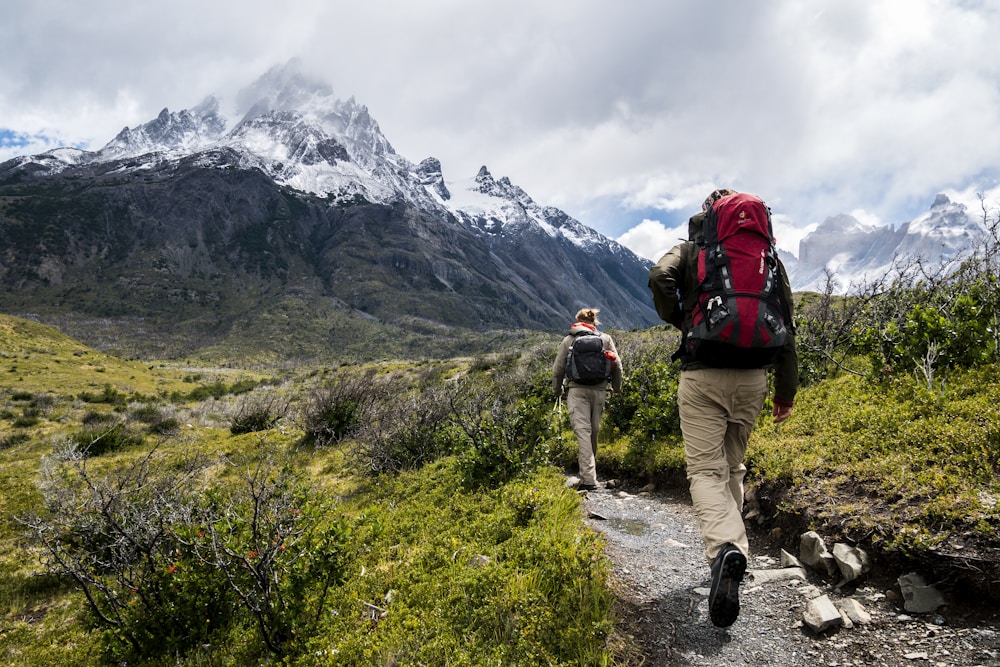
Every ounce matters when you're carrying everything on your back mile after mile. The difference between a 25-pound pack and a 35-pound pack isn't just ten pounds—it's the difference between arriving tired but functional versus arriving broken. Packing light isn't about suffering; it's about eliminating unnecessary weight that provides no benefit while demanding constant physical cost.
The Gram Weenie Philosophy
Ultralight backpacking—generally defined as base weight under ten pounds—requires rethinking every assumption about camping gear. But you don't need to go ultralight to benefit from light packing principles. Even reducing a typical 50-pound load to 35 pounds transforms the experience dramatically while maintaining safety margins and comfort levels.
The approach begins with understanding weight categories. Base weight excludes consumables—food, water, fuel—and represents gear weight you carry regardless of trip length. Most people can reduce base weight by 30-50% through thoughtful equipment choices without spending enormous money. The remaining weight comes from consumables you can optimize through better planning.
Weight Categories Explained
- Base weight: Shelter, sleep system, kitchen, essentials
- Consumables: Food, water, fuel—vary by trip
- Worn weight: Clothing actively worn during hiking
- Luxury items: Extras beyond essentials—these get eliminated first
The Three R's: Reduce, Replace, Rethink
Reducing weight follows three parallel paths. First, eliminate items that serve no essential purpose—duplicate items, comfort luxuries, "just in case" gear that rarely sees use. Second, replace heavy items with lighter alternatives—titanium instead of steel, inflatable instead of closed-cell foam. Third, rethink the fundamental approach—do you need a tent at all, or would a tarp work? Can you share items within a group?
Each approach has different costs and tradeoffs. Elimination is free but requires discipline. Replacement costs money but maintains function. Rethinking requires knowledge and acceptance of alternative approaches. Combined, these strategies produce dramatic weight reductions.
"The ounce you skip today is the pound you carry forever. Every item must justify its weight."
Common Weight Savings
Typical camping redundancies that add weight include multiple lighting sources (one good headlamp replaces flashlight, lantern, and backup), excessive clothing (three outfit system instead of five), heavy repair kits (tape and a few patches replace extensive repair materials), and duplicate tools (multi-tool replaces separate knife, pliers, and scissors).
Easy First Cuts
Pack weight often hides in unexpected places. Pare down toiletries to absolute essentials—small travel containers instead of full-size bottles. Leave books at home; phone apps provide reading material. Pack only clothing you'll actually wear. Weigh your pack before and after each trip to identify weight you carried but never used.
Big Three Optimization
The largest weight gains typically come from the Big Three: shelter, sleep system, and pack. A 3-pound tent versus 6-pound tent saves three pounds instantly. A 1-pound sleeping bag versus 3-pound bag saves two more. A 2-pound pack versus 4-pound pack completes the picture. These items cost more to optimize but deliver permanent weight savings regardless of trip type.
⚡ Related Tool
Calculate your pack weight and optimize loadout with our Backpack Weight Calculator.
Weight Distribution
Pack weight distribution affects comfort as much as total weight. Heavier items pack closest to your back and mid-pack, between shoulder blades and hips. Lighter items fill bottom and outer pockets. This positioning maintains pack balance and reduces strain on shoulders.
Packing light rewards every step with less fatigue, faster travel, and more enjoyable experiences. The goal isn't ultralight at all costs but finding the balance between unnecessary weight and essential function. Each ounce eliminated pays dividends with every mile covered.