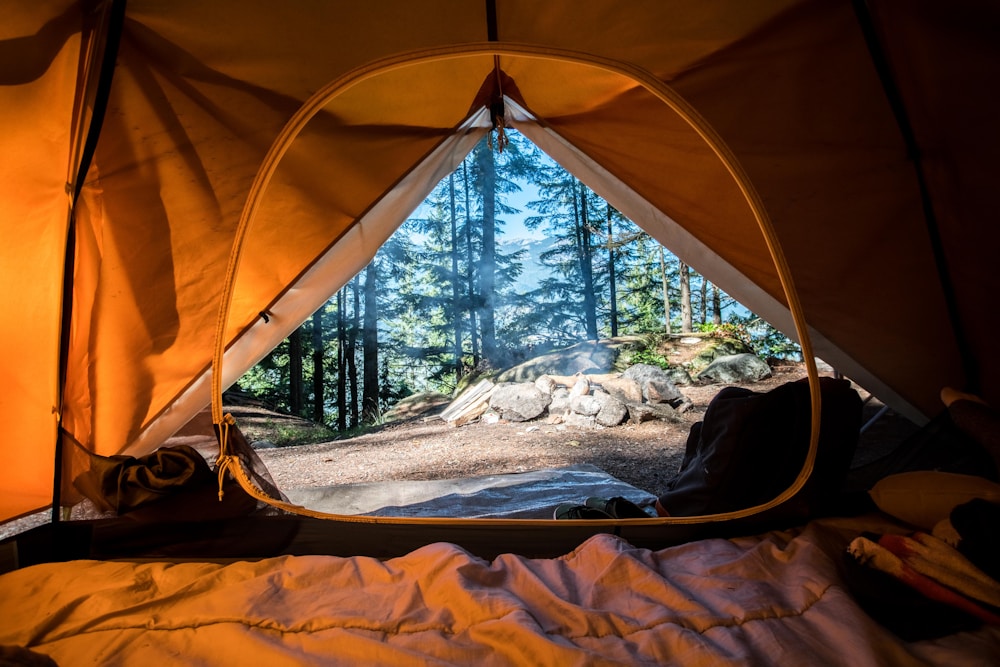
Few things ruin a camping trip faster than a cold night. You've planned the perfect route, set up your shelter, and settled in—only to find yourself shivering at 2 AM, unable to warm up despite your "20-degree" sleeping bag. What went wrong? The truth is that sleeping bag temperature ratings are misunderstood by most campers, leading to cold nights and unnecessary suffering.
How Temperature Ratings Actually Work
Sleeping bag temperature ratings are determined through standardized testing, most commonly using the EN 13537 standard. These tests use a thermal mannequin dressed in specific clothing lying on a sleeping pad of known R-value. The ratings typically include three temperatures:
- Upper Limit: The highest temperature at which a standard man can sleep without excessive sweating
- Comfort Rating: The temperature at which a standard woman can sleep comfortably in a relaxed position
- Lower Limit: The temperature at which a standard man can sleep for 8 hours without excessive shivering
The "Standard Person" Problem
Here's where it gets tricky: you are probably not a "standard" person. The test subjects used in these ratings are statistical averages—typically a 25-year-old male weighing about 154 pounds or a 25-year-old female weighing about 132 pounds. If you're larger, older, smaller, more sensitive to cold, or simply different from these averages, your experience will differ.
Women, in general, sleep colder than men—often by 5-10 degrees. This is due to higher surface-area-to-volume ratios, less muscle mass to generate heat, and colder extremities.
"The sleeping bag rating is a starting point, not a guarantee. Your personal warmth, not the number on the tag, determines your actual comfort."
The Sleeping Pad Connection
Your sleeping bag is only half the equation. Without adequate insulation beneath you, you'll lose body heat to the ground regardless of how warm your bag is. This is why experienced backpackers often say "R-value is more important than sleeping bag temperature rating."
The ground is typically much colder than ambient air temperature, especially in spring and fall when the earth hasn't fully thawed. A sleeping pad with an R-value below 2 is barely adequate for summer camping. For three-season use, aim for an R-value of 4 or higher. Winter camping typically requires R-values of 5 or greater.
⚡ Related Tool
Use our Sleeping Pad R-Value Calculator to check if your pad is sufficient for expected temperatures.
Building Your Sleep System
A complete sleep system includes your sleeping bag, sleeping pad, pillow, and appropriate clothing. Each component affects the others.
Base Layer Matters
Wear a thin base layer inside your sleeping bag. This isn't about added warmth—it's about protecting your bag from body oils and moisture that degrade loft over time. A dirty sleeping bag loses insulation value.
Padded Clothing Layers
Pack a puffy jacket and insulated pants to wear in camp and to bed if needed. For cold nights, a beanie and socks are essential—significant heat loss occurs through your head and feet.
Understanding the "Number"
When a bag is rated to 20°F, this typically refers to the lower limit rating. If you're a cold sleeper, a 20°F bag won't keep you comfortable at 20°F. You'll need a bag rated 10-15 degrees colder. Conversely, warm sleepers can often push a bag beyond its comfort rating if they're willing to manage ventilation.
Consider buying a bag rated 10-15 degrees colder than your expected lowest temperature. This margin accounts for variables like pad insulation, wind chill, humidity, and personal factors.
Quilts vs. Sleeping Bags
Backcountry quilts have gained popularity for good reason—they're lighter and more versatile. However, they require a different approach to warmth. Without full coverage, quilts rely on you to create a seal around your body. If you move in your sleep and create gaps, cold air rushes in.
If using a quilt, ensure your sleeping pad has adequate insulation underneath you—you can't rely on the quilt to insulate from below.
Final Recommendations
For most three-season camping in temperate climates, a sleeping bag rated to 20-30°F paired with a sleeping pad of R-value 4-5 will handle most situations. For winter camping, you'll want a bag rated to 0°F or colder and a pad with R-value above 5.
Use the ratings as a starting point, test your system at home, and always err on the side of warmth. A night that's slightly too warm is far better than one where you can't sleep because you're shivering.