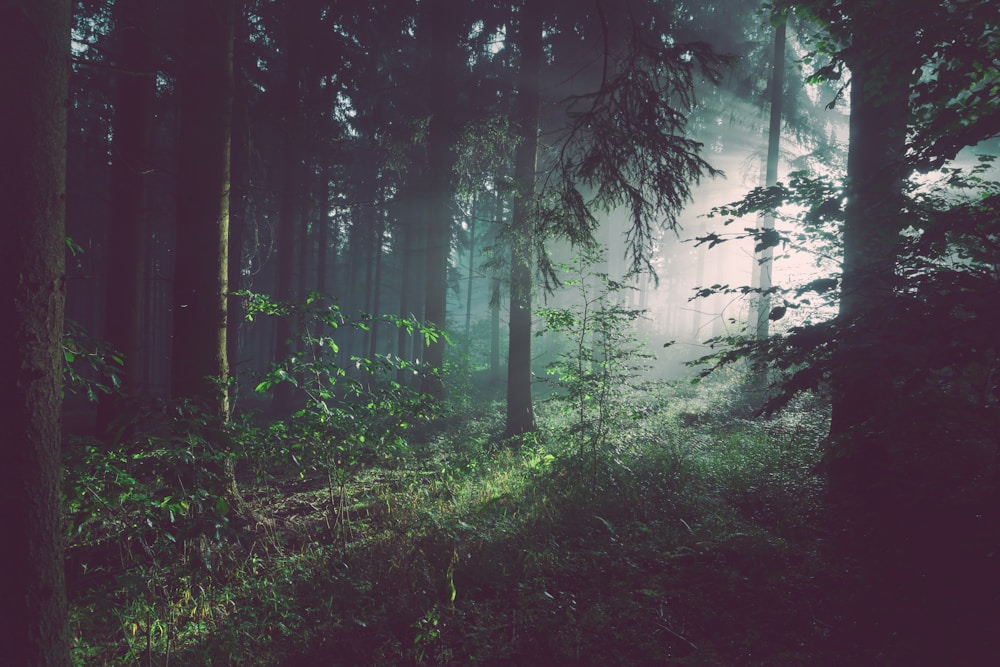
Forest camping offers the quintessential wilderness experience—tall trees filtering sunlight into dappled patterns, birdsong replacing traffic noise, and the earthy scent of decomposition replacing exhaust and concrete. These environments support complex ecosystems that camping can harm if approached carelessly. Understanding forest ecology transforms campers from potential destroyers into stewards of the spaces they temporarily occupy.
Understanding Forest Environments
Forests are living systems, not just scenic backdrops. The duff layer—accumulated dead organic matter covering the ground—contains countless organisms decomposing organic material into soil. This layer absorbs rainfall, releases moisture slowly, and provides habitat for insects, salamanders, and small mammals. Walking on or camping on this layer compresses it, killing organisms and preventing water absorption.
Tree roots spread horizontally, often extending beyond the canopy drip line. Compacted soil around trees damages these roots, potentially killing trees decades later. The seemingly flat area beneath a tree may hide root networks that suffocate when soil compresses. Choose campsites with minimal vegetation and some exposed mineral soil rather than lush forest floor.
Forest Floor Considerations
- Duff layer: Living organic matter; avoid compaction
- Root networks: Extend well beyond visible trees
- Established sites: Prefer previously used sites over pristine areas
- Slope camping: Avoid camping directly above water sources
Falling Objects and Dead Standing Trees
Dead trees—snags—pose genuine hazards in forests. Bark beetles and decay fungi weaken them from inside, often without visible external signs. Wind storms, heavy snow, or even minor disturbances can bring snags down without warning. When selecting campsites, identify all dead trees within falling distance of your sleeping area and position accordingly.
The "widow makers" of forest camping—dead branches hanging in trees—detach without warning and fall. The canopy above your site requires evaluation just as the immediate surroundings do. If you hear crackling or see accumulated dead material overhead, relocate your sleeping area.
"In the forest, look up as often as you look down. The trees pay no attention to the ground beneath them."
Weather and Moisture
Forests create their own microclimates. Canopy coverage reduces direct sun exposure, keeping temperatures moderate but increasing humidity. Morning fog and dew persist longer in forested areas. These conditions affect everything from tent placement to fire management to gear selection.
Lightning seeks the tallest objects in an area—trees. During thunderstorms, avoid ridgelines, exposed peaks, and isolated trees. Valley bottoms with uniform tree height provide relative safety. If you feel your hair stand on end or hear crackling, crouch immediately with feet together, minimizing your profile.
Fire Management in Forests
Forest camping demands extraordinary fire caution. Natural fire rings in established campsites contain fires safely when used properly. Where no ring exists and fires are permitted, use existing fire scars or create new rings with removed sod. Never build fires on logs or stump that can roll or spread embers.
Responsible Fire Practices
Keep fires small and manageable. Burn only dead, downed wood—never cut standing trees regardless of size. Burn completely to ash; extinguished material should be cold to touch. Scatter ashes widely after ensuring no heat remains. In high fire danger periods, skip fires entirely and use camp stoves.
Wildlife in Forested Areas
Forests support diverse wildlife adapted to woodland environments. Black bears, deer, raccoons, squirrels, and countless bird species inhabit most forested areas. Each requires different respect and management. Secure all food and scented items in bear-resistant containers or proper hangs. Never feed wildlife—feeding animals creates dependency and dangerous situations.
⚡ Related Tool
Check forest fire restrictions and regulations with our Trip Planning Tools.
The forest offers shelter, beauty, and the profound experience of temporary membership in an ancient community of living things. Approach it with respect, prepare thoroughly, and leave it unchanged for those who follow. The trees have stood here for generations; they'll stand for generations after—assuming we give them reason to.