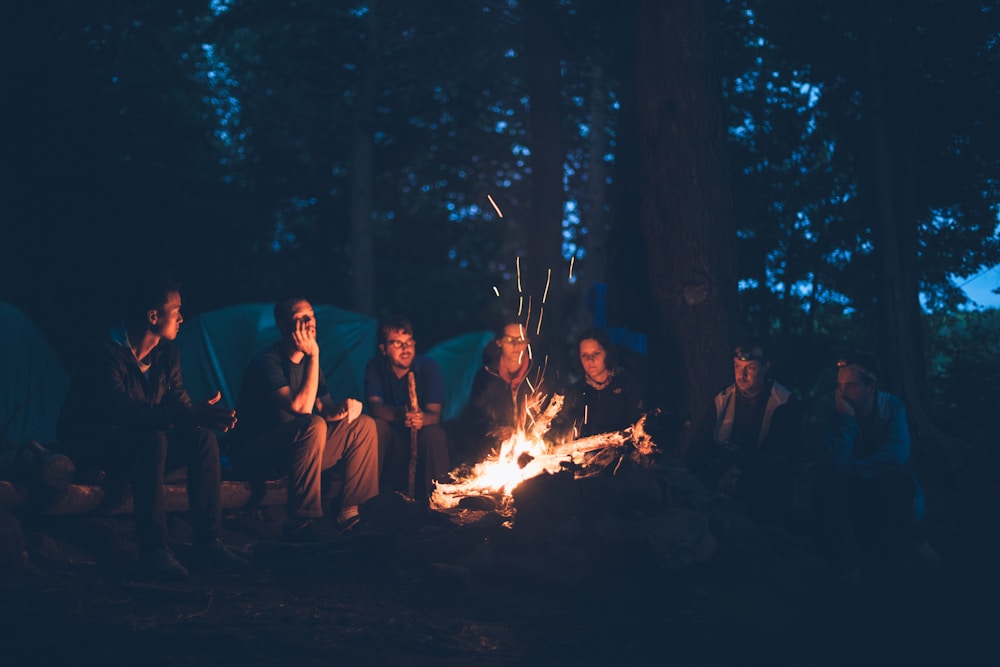
Campfire represents the most primal connection to outdoor experience—flames dancing against darkness, crackling sounds replacing traffic noise, and heat radiating outward into cool night air. Yet this elemental pleasure causes thousands of wildfires annually when carelessly managed. Every escaped campfire represents preventable destruction of property, habitat, and occasionally lives.
Before You Build: Assessment
Campfire decisions begin before spark meets fuel. Current fire conditions in your area determine whether any fire is appropriate, regardless of your skill level. Local conditions combine with weather forecasts, recent precipitation, and vegetation status to create fire danger ratings. Check with land management agencies—forest service, BLM, park service—for current restrictions before departure.
Even when fires are permitted, evaluate site-specific conditions. Wind speed and direction affect whether sparks escape. Nearby fuel—dead vegetation, overhanging branches, dry grass—determines whether escaped embers ignite. Is there existing fire ring infrastructure, or will you create new scar? No fire ring means greater responsibility and more careful management.
Fire Danger Assessment
- Check restrictions: Agency announcements supersede personal judgment
- Recent precipitation: Less than 0.5 inches in three days means elevated risk
- Wind conditions: Sustained over 10mph or gusting requires postponement
- Dead fuel moisture: Dry conditions require extreme caution regardless of green vegetation
Building Responsibly
Responsible fire building starts with appropriate site selection. Established fire rings contain fire safely when used correctly. Where no ring exists and fire is permitted, choose locations on mineral soil, away from organic matter that could ignite. Clear all flammable material within ten feet of the fire's edge.
Keep fires small and manageable. The largest legal fire is not the most impressive—it's the largest potential disaster. A fire you can extinguish with a cup of water beats a bonfire requiring buckets. The goal is heat and light, not spectacle.
"The only safe campfire is the one that would have been safe even if you'd never built it."
Wood Selection
Burn only dead, downed wood. Never cut standing trees regardless of size—even dead snags provide wildlife habitat and removing them scars the landscape. Gather wood no larger than your wrist from areas away from camp to avoid depleting local resources. Wood that snaps easily when bent indicates it's dry enough to burn cleanly.
Attendance and Management
Never leave your fire unattended. "Just for a minute" becomes the moment an ember escapes. If you must step away, extinguish completely and rebuild upon return. Keep water and a shovel accessible throughout the fire's burning life. Maintain awareness of wind changes that could blow sparks toward fuel.
Safe Fire Boundaries
Establish clear boundaries around your fire. Clear diameter of ten feet minimum. Wet down surrounding area without making your fire pit muddy. Position seating outside the cleared radius. A responsible fire operator maintains these boundaries throughout the fire's life.
Complete Extinguishing
Proper extinguishing takes more time than building. Embers can reignite hours after apparent extinction if heat penetrates deep into organic material. Drown the fire with water, stir the ashes, drown again. Repeat until ashes are cool to touch and no steam emerges. "If it's too hot to touch, it's too hot to leave."
⚡ Related Tool
Check current fire restrictions and conditions with our Safety Tools.
The campfire tradition depends on each camper's responsibility to those who follow. Escaped fires close areas that others could otherwise enjoy. Fire-killed forests release stored carbon and eliminate habitat. Fire-damaged soil erodes for decades, polluting waterways downstream. Your fire, your responsibility—make it one you're proud to leave behind.