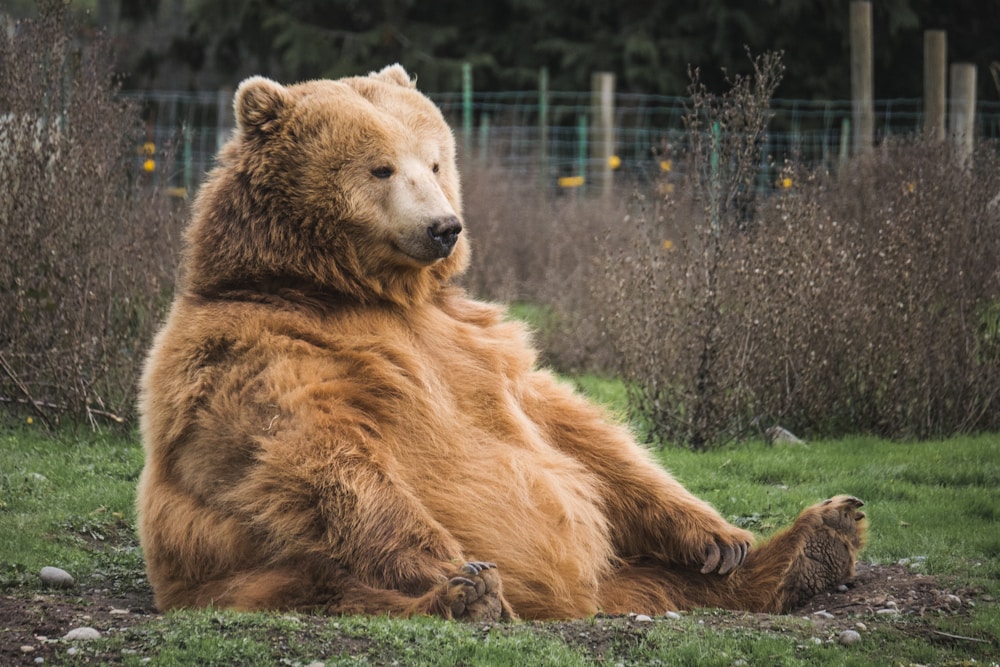
Bears occupy a unique position in the outdoor consciousness—simultaneously fascinating and dangerous, they represent wilderness at its most primal. Understanding bear behavior, respecting their space, and managing food and scented items properly keeps both humans and bears safe. Bear encounters rarely result from poor luck; almost always, they result from human error or carelessness.
Bear Species and Their Differences
North America hosts three bear species with distinct characteristics. Black bears, despite their name, display various colors from blonde to nearly black, and they inhabit most forested regions across the continent. They're generally smaller, more arboreal, and less aggressive than their brown bear cousins. Grizzly bears—a subspecies of brown bear—inhabit western mountain regions and sub-Arctic areas. Polar bears roam coastlines in far northern regions.
Behavior varies between species and even between individual bears within the same population. Black bears typically avoid humans when given opportunity but can become habituated to human food sources. Grizzlies maintain more natural fear of humans but defend space more aggressively, especially mothers with cubs. Understanding which species occupies your destination shapes appropriate precautions.
Species-Specific Considerations
- Black bears: Climbers, more likely to investigate camps quietly, often deterred by noise
- Grizzly bears: Larger, rarely climb, more likely to charge when surprised, require larger缓冲区
- Polar bears: Most dangerous to humans, require extreme precautions, travel in pairs minimum
Food Storage Fundamentals
Proper food storage prevents the chain of events that leads to dangerous habituated bears. Bears associate camps with food through smell. Once a bear connects human scent with food reward, that individual bear becomes problem—either relocated or killed. Preventing that association protects both bears and subsequent campers.
Bear canisters provide the most reliable food protection in most environments. These hard-shelled containers resist crushing and accessing by determined bears. Their standardized design fits in most backpack side pockets. Bear bags using counter-balance or parachute rigs work where canisters aren't required but demand proper execution—improper hangs fail.
"A fed bear is a dead bear. Every piece of food your camp attracts becomes a death sentence for that animal."
Campsite Selection and Behavior
Choose campsites that don't concentrate bear activity. Avoid areas with obvious bear signs like tracks, scat, or overturned rocks. Stay away from berry patches, creeks during salmon runs, and carcass sites. These high-value bear areas create inevitable conflict potential.
Keep your sleeping area separate from food storage—ideally 200+ feet away. Bears may investigate tents if they detect food scents, and sleeping with food in tents teaches dangerous associations. Cook and eat at sites different from sleeping locations when possible.
What To Do During Encounters
Bear encounters require species-specific responses. Black bear encounters during daylight hours typically respond to assertive vocalization—speak firmly, make yourself look large, throw objects (not at the bear) to establish boundary. Back away slowly without turning your back. Never run; running triggers chase instinct.
Grizzly Encounter Protocol
Grizzly encounters demand different tactics. First, identify yourself clearly so the bear recognizes human, not prey. Speak calmly. If charged, the distinction between defensive and predatory attack matters. Defensive charges stop short; stand your ground until the bear retreats. Predatory charges require different response—playing dead may be appropriate if the bear makes contact.
⚡ Related Tool
Find bear canister requirements for your destination with our Trip Planning Tools.
Understanding bear psychology removes some fear from the equation. Bears don't view humans as prey under normal circumstances—they're simply large omnivores managing their territories and seeking food sources. By controlling food odors and maintaining appropriate boundaries, we share space without conflict. The goal isn't fear but respect—understanding that these magnificent animals deserve their space as much as we deserve ours.