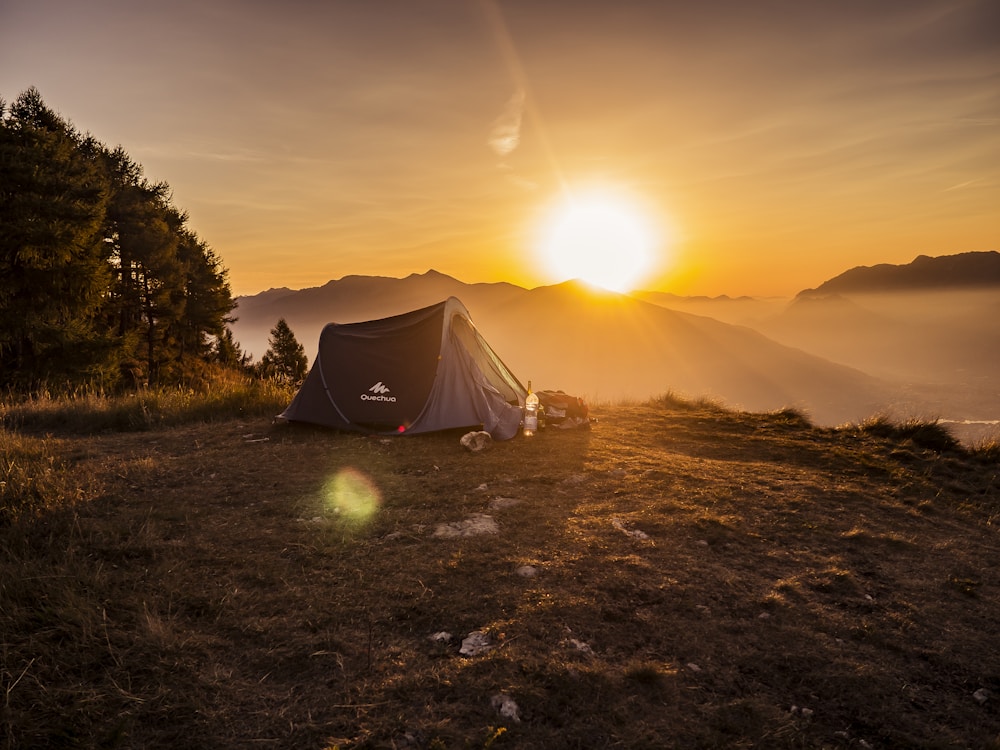
Camping exists in every season, and each brings unique rewards and challenges. Spring camping offers wildflower blooms and rushing waterfalls from snowmelt. Summer provides the longest days and most accessible conditions. Fall rewards adventurers with stunning foliage and comfortable temperatures. Winter transforms landscapes into serene wonderlands, though it demands respect and preparation. Understanding seasonal patterns helps you choose the right time for your abilities, gear, and goals.
Spring Camping: Renewal and Mud Season
Spring camping attracts adventurous spirits willing to embrace unpredictable weather and muddy trails for the privilege of experiencing nature's awakening. Days grow longer, wildlife becomes active, and landscapes transform as snow recedes. However, spring camping requires flexibility—weather can shift dramatically within hours, trail conditions deteriorate quickly, and many popular areas remain inaccessible until they dry out.
The primary challenge of spring camping is mud. Saturated ground transforms trails into rivers and campsites into quagmires. Choose durable boots with good traction, pack extra socks, and accept that your vehicle and gear will get dirty. Higher elevations remain cold, sometimes receiving fresh snow, while lower elevations warm considerably. Layering becomes essential as you may experience freezing nights and warm afternoons.
Spring Camping Essentials
- Waterproof footwear: Your feet will thank you
- Extra insulation: Nights remain cold even as days warm
- Garbage bags: Protect gear from mud during transport
- Flexible schedule: Weather may force plan changes
- Bug protection: Mosquitoes and black flies emerge in force
Summer Camping: Peak Season Adventures
Summer represents traditional camping season, with the warmest temperatures, longest days, and most accessible conditions. School vacations and holiday weekends make popular campgrounds crowded, but opportunities for solitude exist in less-traveled areas and backcountry zones. Extended daylight hours provide time for long hikes, water activities, and lingering at the campfire.
Heat presents the primary summer challenge, particularly in arid regions and desert environments. Afternoon thunderstorms develop rapidly in many mountain regions, bringing lightning, hail, and sudden temperature drops. Wildfire risk peaks as summer progresses, occasionally closing areas without advance notice. Water sources may be limited in some regions, requiring careful planning and water carrying capacity.
"Summer camping rewards those who wake early, rest during afternoon heat, and maximize the long golden hours of evening."
Fall Camping: The Golden Season
Many experienced campers consider fall the finest camping season. Temperatures cool to comfortable ranges, autumn foliage transforms landscapes into chromatic spectacles, and reduced crowds restore tranquility to popular areas. Wildlife becomes more active as animals prepare for winter, creating excellent observation opportunities. Shorter days enforce a gentler pace that many find more relaxing than summer's extended daylight.
Fall camping requires attention to changing conditions. Weather becomes less predictable, with cold snaps potentially arriving suddenly. Night temperatures regularly fall below freezing in many regions, requiring appropriate sleeping gear. Daylight hours decrease noticeably, shortening hiking windows. Some areas close for the season after holidays, while others remain accessible until significant snowfall.
Winter Camping: Embracing the Cold
Winter camping strips away the comfortable padding of warm weather and forces genuine connection with the elements. Snow-covered landscapes offer profound solitude and pristine beauty, but demand respect and proper preparation. Successful winter camping requires more gear, more skill, and more attention to conditions than any other season.
Seasonal Decision Factors
Choosing when to camp depends on multiple factors working together. Your experience level establishes a baseline—beginners should stick with favorable weather until they develop skills. Your gear determines your options—summer equipment fails quickly in winter conditions. Your goals shape preferences—some seek wildflowers and crowds while others want solitude and quiet.
Location significantly affects seasonal timing. Desert camping peaks in winter when temperatures become tolerable. Mountain camping works best during narrow windows between snow accumulation and monsoon seasons. Coastal camping spans a longer season but faces fog and wind challenges. Northern latitudes experience extreme seasonal variation, with summer providing the only realistic camping window.
⚡ Related Tool
Check current conditions and forecasts for your destination with our Weather and Planning Tools.
Planning Around Seasons
Advance planning becomes increasingly important for desired campsites during popular seasons. Summer weekends in scenic areas book months ahead, while shoulder seasons offer more flexibility. Weekday camping throughout any season provides more solitude than weekend trips. Consider your tolerance for crowds, weather variability, and insect pressure when selecting your season.
The best season for camping is ultimately the one that matches your goals, abilities, and preferences. Some campers exclusively pursue fair weather and comfortable temperatures. Others embrace challenges and find rewards in difficult conditions. Most fall somewhere between, choosing seasons based on specific trips rather than rigid preferences.
Whatever season you choose, camping offers experiences unavailable through any other form of recreation. The ability to wake surrounded by natural beauty, to fall asleep under stars, and to live simply for a few days restores perspective that daily life erodes. Four-season camping expands your opportunities and deepens your connection with the natural world.