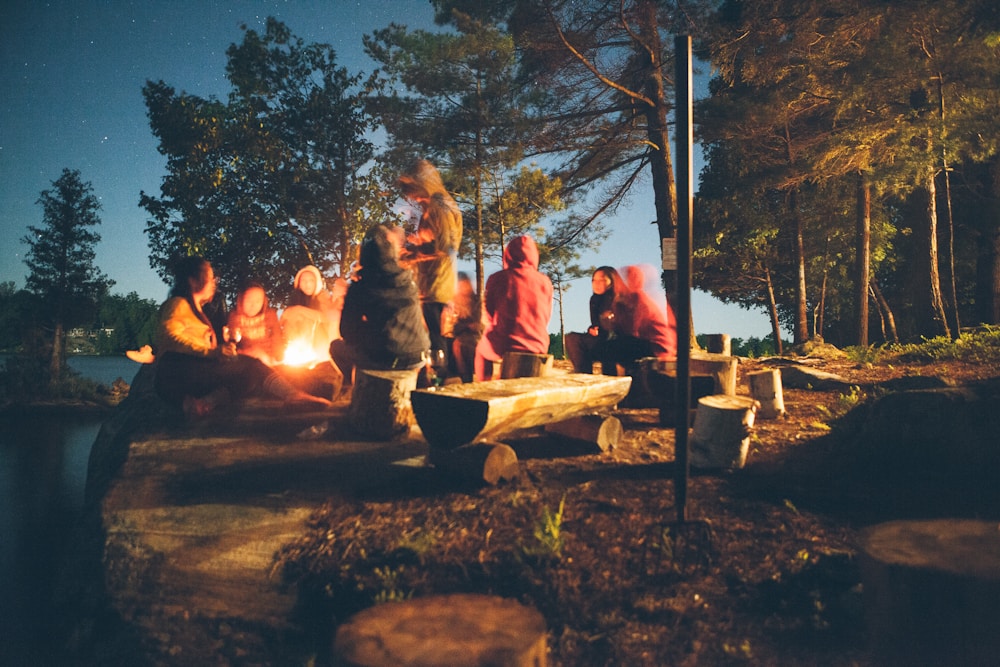
Multi-day camping trips multiply both the rewards and challenges of outdoor recreation. Extending beyond a single night introduces logistics that weekend warriors rarely consider—food management, gear durability, pace planning, and the psychological adjustments required when wilderness becomes home rather than brief escape. Yet these complexities, handled well, enable experiences impossible on shorter trips.
Planning Beyond Day One
The transition from overnight camping to multi-day trips requires rethinking nearly every assumption. Food quantity grows linearly but weight compounds cubicly—adding calories while reducing mobility. Gear must function reliably for extended periods without maintenance access. Weather windows expand to include multiple-day forecasts, each with its own uncertainty. Plans must accommodate setbacks without becoming impossible.
Successful multi-day planning begins with honest assessment of group capabilities. Average daily mileage varies significantly between individuals and depends on terrain, elevation, load weight, and conditioning. Build in rest days—moving every day leads to exhaustion and injury. Plan mandatory zero days for every four or five moving days on moderate terrain.
Planning Fundamentals
- Distance capability: Honest assessment of realistic daily miles
- Resupply options: Locations where food can be cached or supplemented
- Weather patterns: Historical conditions for intended season and location
- Emergency exit points: Locations where early extraction is possible
- Communication plan: Check-in schedule with someone not on the trip
Food Planning for Extended Trips
Food represents the heaviest category of consumable weight and requires careful calculation. Caloric needs increase with exertion but appetite often decreases in the backcountry due to stress and altitude. Plan for more calories than you think necessary, but choose calorie-dense foods that provide maximum energy per ounce.
Dehydration reduces food weight significantly at the cost of reconstitution time and water requirement. Dehydrated meals, instant oatmeal, and dried fruit provide efficient calories. Protein and fat content matters as much as total calories—carbohydrates provide immediate energy while protein and fat sustain longer-term satiation.
"Every meal must earn its weight. The best trail food provides maximum calories with minimum penalty."
Pacing and Daily Rhythm
Multi-day trips benefit from established routines that reduce decision fatigue. Wake time, departure time, break locations, and camp arrival time create structure that preserves energy. Without structure, decision-making depletes mental reserves that could otherwise focus on navigation, safety, and appreciation of the experience.
Build flexibility into this rhythm. Weather, terrain, and unexpected obstacles will disrupt best plans. Buffer days—time built into itineraries beyond minimum requirements—absorb these disruptions without forcing dangerous decisions. The difference between successful and failed multi-day trips often comes down to how much buffer was included.
Gear Selection for Duration
Extended trips demand reliability over marginal performance. Single-day failures are inconvenient; multi-day failures can become emergencies. Evaluate gear critically: would I trust this item to function correctly for ten consecutive days without maintenance? If not, replace or repair before departure.
Durability Considerations
Lightweight gear often achieves low weight through thinner materials and simplified construction. This trade-off becomes riskier with duration. A tent pole that might survive one night might fail by night three. Balance weight against durability when selecting gear for extended trips.
Managing Group Dynamics
Multi-day trips with others require explicit agreements before departure. Pace grouping—who hikes with whom—prevents friction about speed mismatches. Decision protocols—who makes which calls—prevent group paralysis. Responsibility assignments—who manages food, navigation, camp setup—distribute workload fairly and play to individual strengths.
⚡ Related Tool
Calculate food quantities and plan resupply with our Multi-Day Trip Planner.
Contingency Planning
What happens if someone is injured? If weather traps you for days? If someone can't continue? Having predetermined responses prevents panic when problems arise. Identify decision makers, communication protocols, and evacuation routes before you need them. The time spent planning feels wasted if nothing goes wrong—and feels invaluable if it does.
Multi-day camping rewards thorough planning with experiences that transform perspectives. Days merge into continuous wilderness immersion that resets rhythms usually dominated by modern demands. The preparation investment returns dividends measured not just in successful logistics but in the profound restoration that extended time in wild places provides.