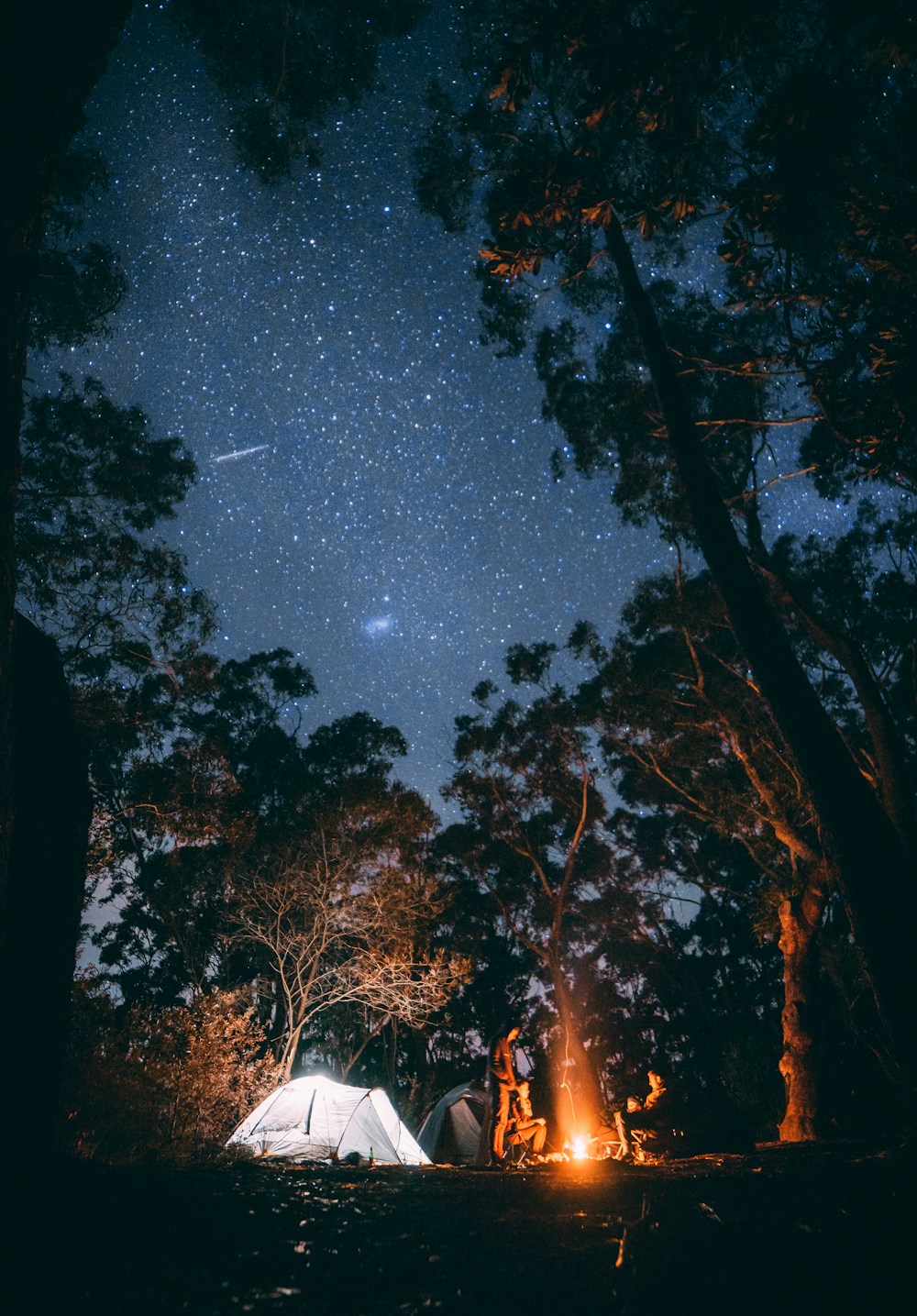
Few experiences rival the satisfaction of sleeping beneath the stars after a day of wilderness adventure. Yet for many campers, nighttime represents the trip's greatest challenge. Strange sounds, uncomfortable surfaces, temperature extremes, and disrupted routines transform what should be restful nights into exhausting struggles. This guide addresses the root causes of poor camp sleep and provides practical solutions for waking refreshed every morning.
Understanding the Sleep Challenge
Your body doesn't naturally fall asleep the same way in the wilderness as it does in your temperature-controlled bedroom. The ground radiates cold through your sleeping pad, unfamiliar sounds trigger alertness, and the absence of routine confuses your circadian rhythms. Recognizing these challenges helps you address them systematically rather than simply accepting poor sleep as inevitable.
Temperature management proves fundamental. Your sleeping bag rating assumes you're lying on adequate insulation—the sleeping pad. Without sufficient pad R-value, you lose body heat to the ground regardless of bag warmth. This common mistake leaves campers cold, restless, and unable to achieve the deep sleep their bag should provide.
Fundamental Sleep Requirements
- Ground insulation: Sleeping pad with R-value matching or exceeding conditions
- Air temperature management: Bag rated for lowest expected temperature with ventilation for warm nights
- Comfort: Proper inflation for sleeping pad, familiar pillow, comfortable sleeping position
- Mental calm: Routine, familiar items, confidence in shelter and safety
Mastering Temperature
Temperature discomfort drives most camp sleep problems. Too cold and you shiver, too warm and you sweat, losing insulation as moisture accumulates. The solution requires managing both air temperature within your shelter and radiant heat loss to the ground.
Sleeping pad R-value indicates resistance to heat flow—higher numbers mean more insulation from cold ground. Summer camping needs R-2 to R-3, three-season use requires R-4 to R-5, and winter camping demands R-6 or higher. Never sacrifice pad insulation for bag warmth; the ground doesn't negotiate.
Temperature Management Techniques
On cold nights, wear a beanie—significant heat escapes through your head. A balaclava or buff covers your neck and can be pulled over your face for added warmth. At camp, put on dry base layers before sleeping; the clothes you hiked in retain moisture and will chill you.
"A cold camper is a sleepless camper. Invest in insulation first, warmth second."
Creating Sleep Comfort
Physical comfort matters enormously. An inflatable sleeping pad should feel firm enough to support your weight without bottoming out against the ground. If your pad feels hard, add air gradually until you reach the sweet spot. Some campers add closed-cell foam beneath inflatable pads for combined R-value and comfort.
Bring a camping pillow or fashion one from a stuff sack stuffed with soft clothing. The familiarity of home helps enormously—bring your regular pillowcase or a T-shirt that smells like home. Small comforts accumulate into significant improvements in sleep quality.
Managing Noise and Light
Urban dwellers often underestimate how quiet true wilderness is. Every twig snap, animal call, and wind gust sounds amplified in the darkness. Earplugs help but feel strange initially. Practice wearing them at home before your trip. White noise apps on phones provide consistent sound that masks startling interruptions.
Light management matters equally. The glow of a headlamp, phone, or nearby campsite disrupts melatonin production and keeps you alert. Cover all light sources, including indicator lights on electronics. An eye mask provides backup when others fail to extinguish their lights.
Establishing Camp Sleep Routine
Your body responds to routine. Try to maintain consistent sleep and wake times, even on vacation. Wind down as darkness falls—bright activity before bed keeps you alert. Dim lights, engage in quiet conversation, and let your body recognize that sleep approaches.
Dealing with Common Sleep Disruptors
Needing to urinate in the night troubles many campers. Minimize fluid intake in the hour before bed while ensuring adequate hydration earlier. The body adapts within a night or two of camping. Snoring partners present different challenges—earplugs, separate tents, or diplomatic negotiation with elbows.
⚡ Related Tool
Calculate the right sleeping pad R-value for your conditions with our Gear Calculator.
Building Camp Sleep Confidence
Anxiety about sleep itself disrupts sleep. Confidence in your gear, shelter, and safety transforms your mental state. Test your sleep system at home or in the backyard before relying on it in the backcountry. Know your shelter handles wind and rain. Trust your sleep pad maintains insulation all night.
Most people adapt to camp sleep within two to three nights. The first night often brings disrupted sleep as your body recalibrates. By the second night, many campers sleep more soundly than at home, lulled by fresh air, physical tiredness, and mental decompression from daily stress.
Sleep quality affects every aspect of camping. Tired campers make poor decisions, move slowly, and struggle to appreciate the experience. Invest in your sleep system and sleep habits with the same attention you give other aspects of preparation. The wilderness rewards those who arrive rested and ready.