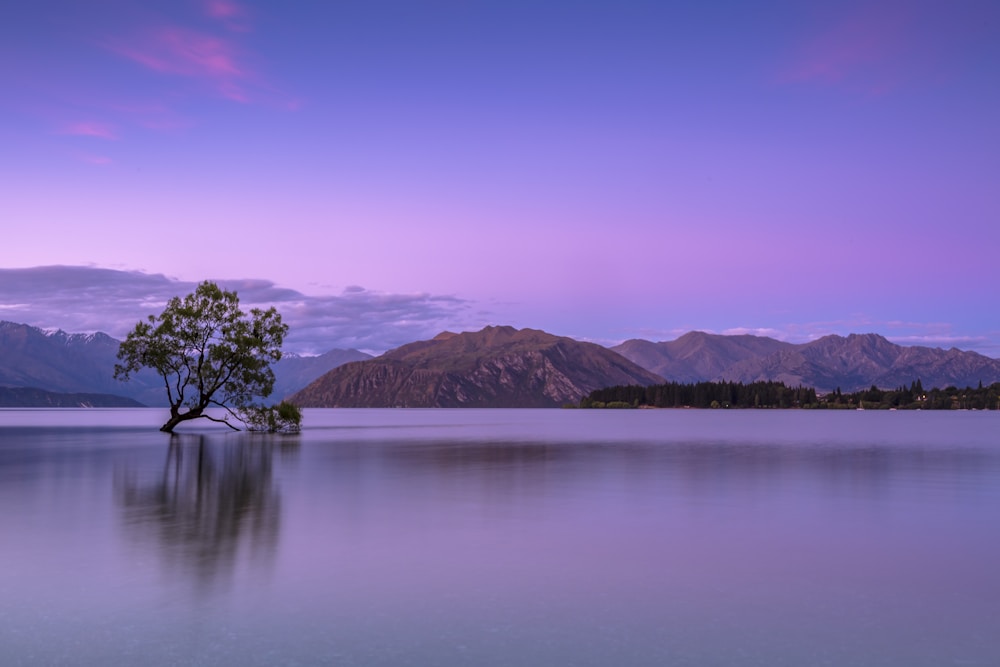
Sunrise and sunset represent camping's most photogenic moments—the hours when light transforms ordinary landscapes into extraordinary scenes and when wildlife emerges from daytime hiding. These daily transitions offer the finest light, the most dramatic skies, and the quietest moments of any camping trip. Yet many campers sleep through them, missing the most magical displays the natural world offers for free.
Why Golden Hour Matters
Photographers call the hour after sunrise and the hour before sunset "golden hour" for good reason. The sun's low angle creates warm, directional light that sculpts landscapes with dimension impossible at midday. Shadows lengthen, revealing texture hidden in harsh overhead light. Colors saturate as the light travels through more atmosphere, filtering out cooler wavelengths.
Beyond photography, these transitional hours affect human biology. Natural light cues regulate circadian rhythms; experiencing sunrise and sunset helps maintain these ancient patterns often disrupted by artificial lighting and indoor life. The colors themselves—blues giving way to oranges, pinks, and purples—stimulate responses in ways modern interiors cannot replicate.
Golden Hour Characteristics
- Warm color temperature: Below 5000K creates pleasing skin tones and landscape colors
- Directional lighting: Side lighting reveals texture and dimension
- Soft shadows: Gradual transitions rather than harsh edges
- Extended duration: High latitudes extend golden hour significantly
Choosing Sunset Vantage Points
Sunset observation requires advance planning. Identify western exposure—the sun sets in the west, so facing west provides direct view. Elevated positions offer cleaner horizons without obstructions. Lakes and calm water reflect skies doubling the visual impact. Ridge lines silhouetted against the setting sun create dramatic compositions.
Scout locations during afternoon, noting where shadows will fall as sun descends. Factor in weather—clouds transform boring sunsets into spectacular displays while clear skies produce the most vivid colors. The best sunset positions book early; plan accordingly for popular destinations.
"The sun does not take requests. It simply does what it has always done. Our job is simply to be present for it."
Sunrise Strategy
Sunrise demands earlier rising but often rewards with quieter, more intimate experiences than sunset. Morning inversion layers trap haze at lower elevations, creating dramatic layered landscapes in mountainous regions. Cool morning air feels refreshing after warm sleeping bag nights. Birds become most active in the hour after dawn, creating audio companions to visual displays.
Preparation determines sunrise success. Lay out clothes and photography gear the night before. Set multiple alarms with backup. Dress warmly—temperatures drop significantly before dawn even in summer. Position yourself with enough time to reach your chosen spot before the show begins; scrambling to catch the moment loses the contemplative quality that makes sunrise special.
Photography Considerations
Bracketing exposures ensures highlights and shadows both render correctly in challenging light. The sky's dynamic range exceeds camera sensor capability; multiple exposures combined in editing provide what single shots cannot. Arrive early, stay late—light continues transforming even after apparent sunset as color shifts through remaining phases.
Camera Settings for Transitional Light
Aperture priority allows the camera to adjust quickly to changing light. Small apertures (f/8-f/11) maximize depth of field for landscapes. Lower ISOs maintain image quality despite decreasing light. RAW format provides maximum editing flexibility for color correction and exposure adjustment.
⚡ Related Tool
Calculate sunrise and sunset times for your location with our Trip Planning Tools.
Sunrise and sunset reward those willing to sacrifice sleep or delay dinner. The inconvenience fades quickly; the memories remain indefinitely. Every sunset promises another sunrise, and every sunrise confirms the world's continued turning. These rhythms connect us to something larger than our individual lives—a reminder that beauty recurs daily if we make ourselves available to witness it.