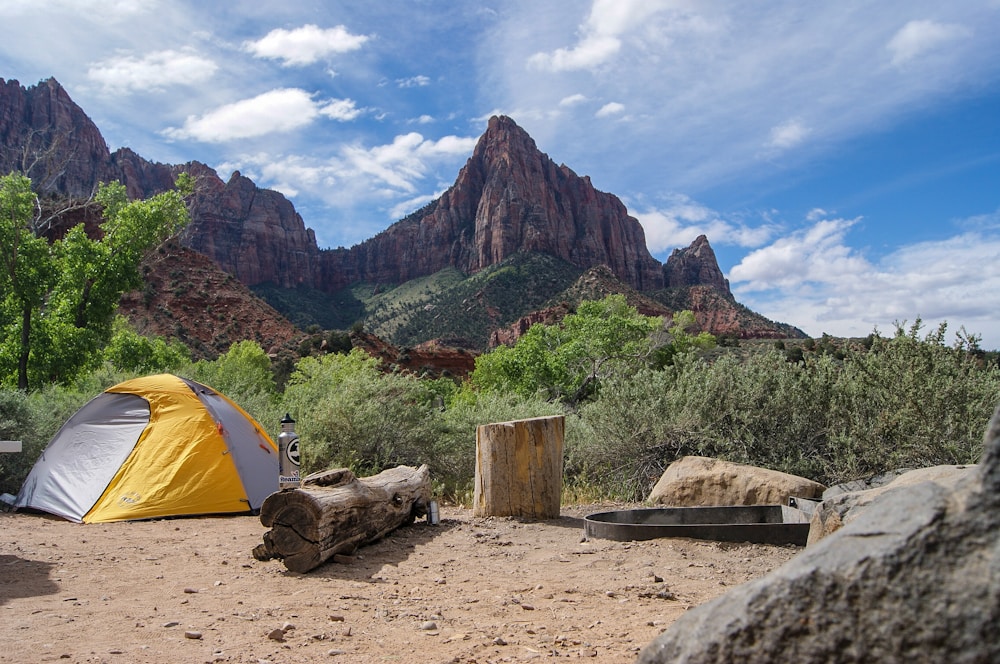
Camping with family creates memories that children carry into adulthood and eventually recreate with their own children. Yet the difference between a trip that builds family bonds and one that creates future reluctance often comes down to preparation and realistic expectations. This guide helps new family campers avoid common pitfalls and discover the joy that keeps families returning to the outdoors generation after generation.
Start With Realistic Goals
Many family camping failures stem from unrealistic expectations. Families accustomed to hotel comfort attempt too ambitious a first trip, only to discover that sleeping on the ground, cooking outdoors, and managing children without familiar structures proves overwhelming. Start simple: one night at a developed campground close to home during good weather. Build from success, not from crisis.
Consider your children's ages, temperaments, and experience levels honestly. A three-year-old who has never slept away from home will struggle more than a eight-year-old who has slept in a tent in the backyard. Adjust expectations to match your family's starting point and expand from there.
First Trip Checklist
- Duration: Start with one night, two maximum
- Distance: Within two hours of home
- Facilities: Developed campground with flush toilets
- Weather: Forecasts showing clear, mild conditions
- Support: Another experienced family if possible
Essential Gear for Families
Family camping requires more gear than adult-only trips, but resist the temptation to bring everything. Focus on comfort items that help children sleep: familiar blankets, stuffed animals, white noise. A separate camping cot for each person prevents middle-of-the-night negotiations. Lighting becomes critical—multiple headlamps and lanterns prevent darkness-related bedtime battles.
Shelter sizing matters more with families. A tight tent becomes a source of conflict when elbows collide. Size up generously, understanding that larger tents require more setup time and present greater weather challenges. Cabin tents with standing height make family life inside the tent dramatically more pleasant.
"The goal of first trips isn't adventure—it's creating positive associations that inspire future trips."
Feeding the Family
Food ranks among the most reliable sources of camping pleasure for children. Familiar foods work better than adventurous cuisine for first trips. Hot dogs, beans, simple grilled items, and make-your-own taco bars require minimal skill and satisfy most young palates. Keep snacks abundant and accessible—hiking and exploration burn calories faster than expected.
Keeping Children Engaged
Unstructured time overwhelms many children initially. Bring specific activities: nature journaling supplies, magnifying glasses, binoculars, bug containers. Nature walks with specific objectives—a bug hunt, bird spotting, leaf collecting—provide focus. Evening activities like stargazing, telling stories, and playing cards create routine within the camping day.
Age-Appropriate Activities
Toddlers need constant supervision and simple sensory experiences: sand, water, sticks, stones. Elementary-age children enjoy challenges and achievements: earning badges for trail hikes, identifying plants and animals, helping with camp chores. Teenagers appreciate autonomy and connection: planning activities, cooking meals, exploring independently within boundaries.
Managing Expectations and Emotions
Camping amplifies emotions. Tired children become inconsolable. Hungry children become impossible. The solution isn't better behavior management but better logistics: adequate rest, regular meals, appropriate clothing, and realistic activity pacing. Build in downtime—camping isn't a rushed vacation.
⚡ Related Tool
Plan family meals and quantities with our Camp Meal Planner.
Safety Fundamentals
Establish clear campsite rules immediately upon arrival. Define boundaries for exploration, especially near water and roads. Practice what to do if separated: find a responsible adult, go to the campground host, never hide. Identification on children's gear provides peace of mind in crowded campgrounds.
Remember why you're doing this. Family camping isn't about conquering wilderness—it's about creating shared experiences that build relationships and create memories. The tent that takes forty-five minutes to pitch becomes a funny story within a year. The meal that burns becomes tradition. Success isn't measured by adventure but by whether everyone wants to go again.